
Shooting Landscapes in Malta
Discovering Malta Through the Lens: A Guide to Landscape Photography
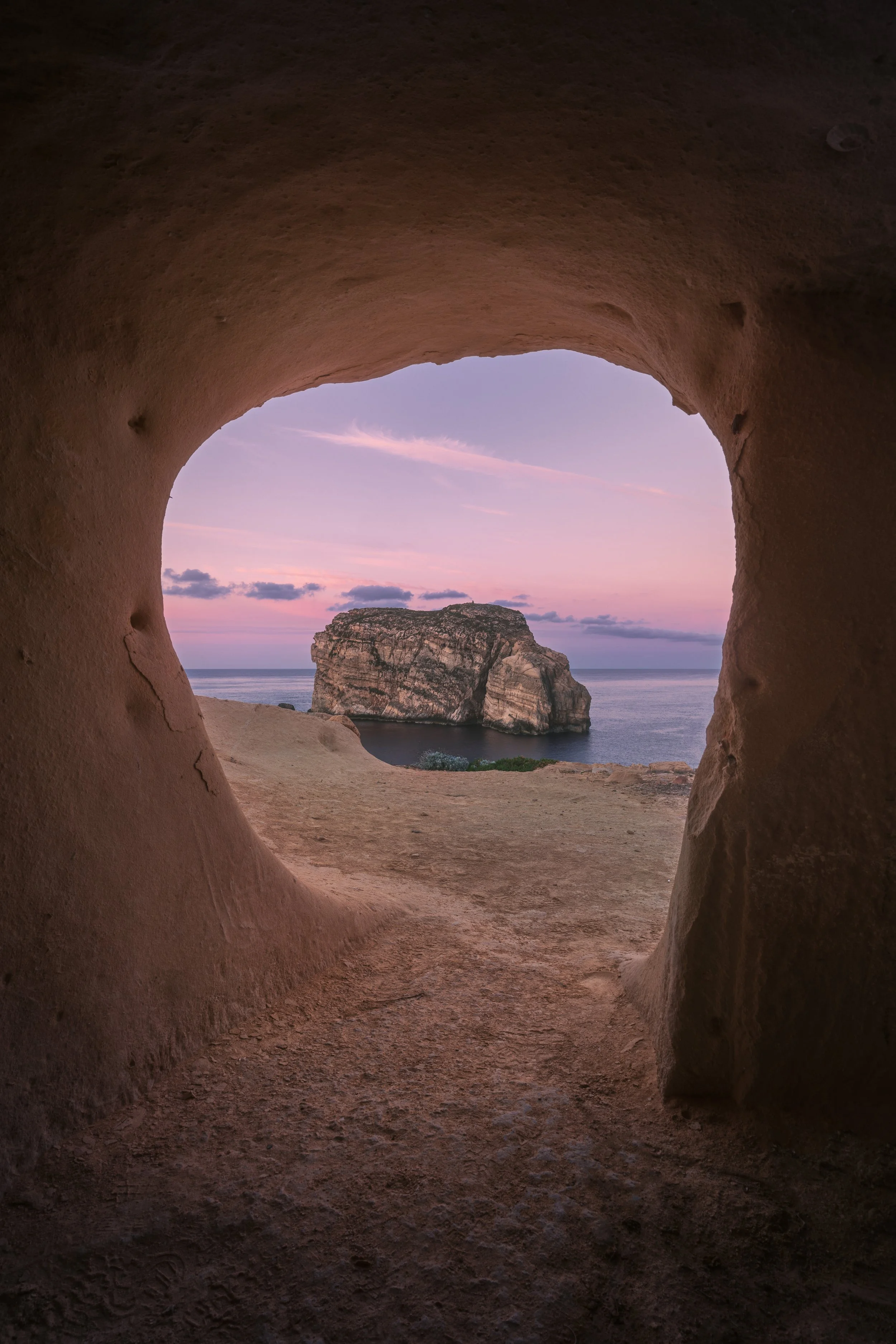
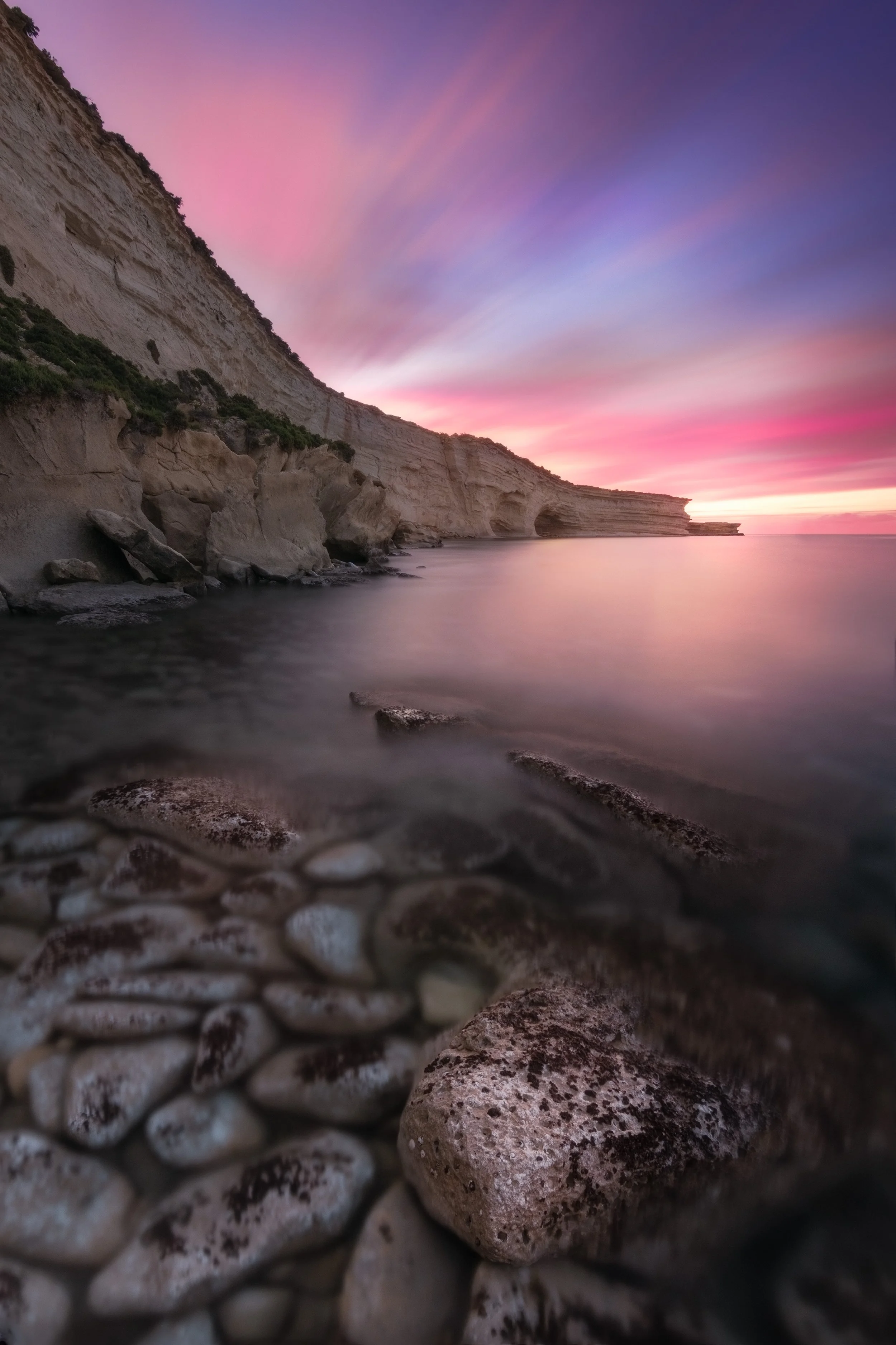
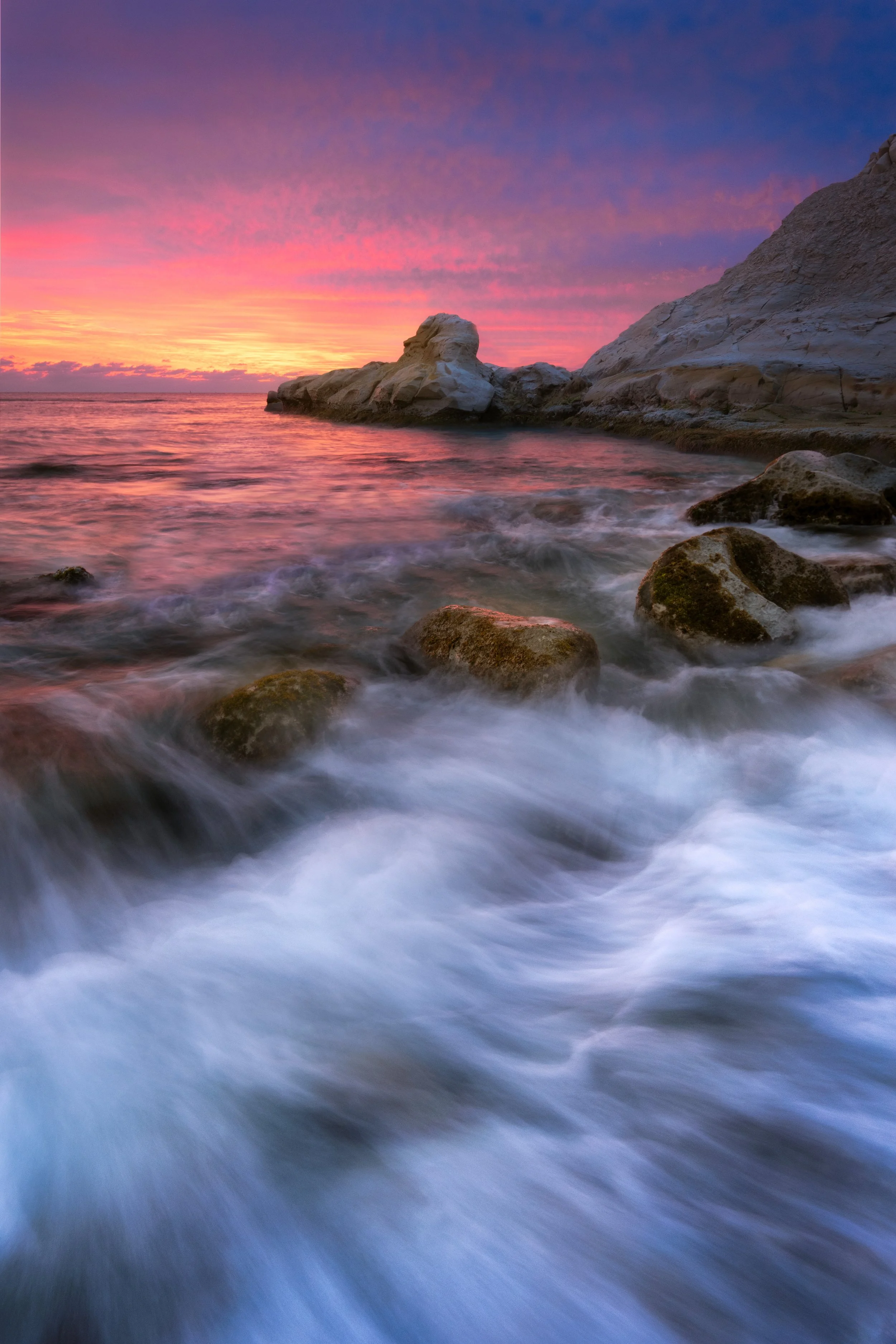
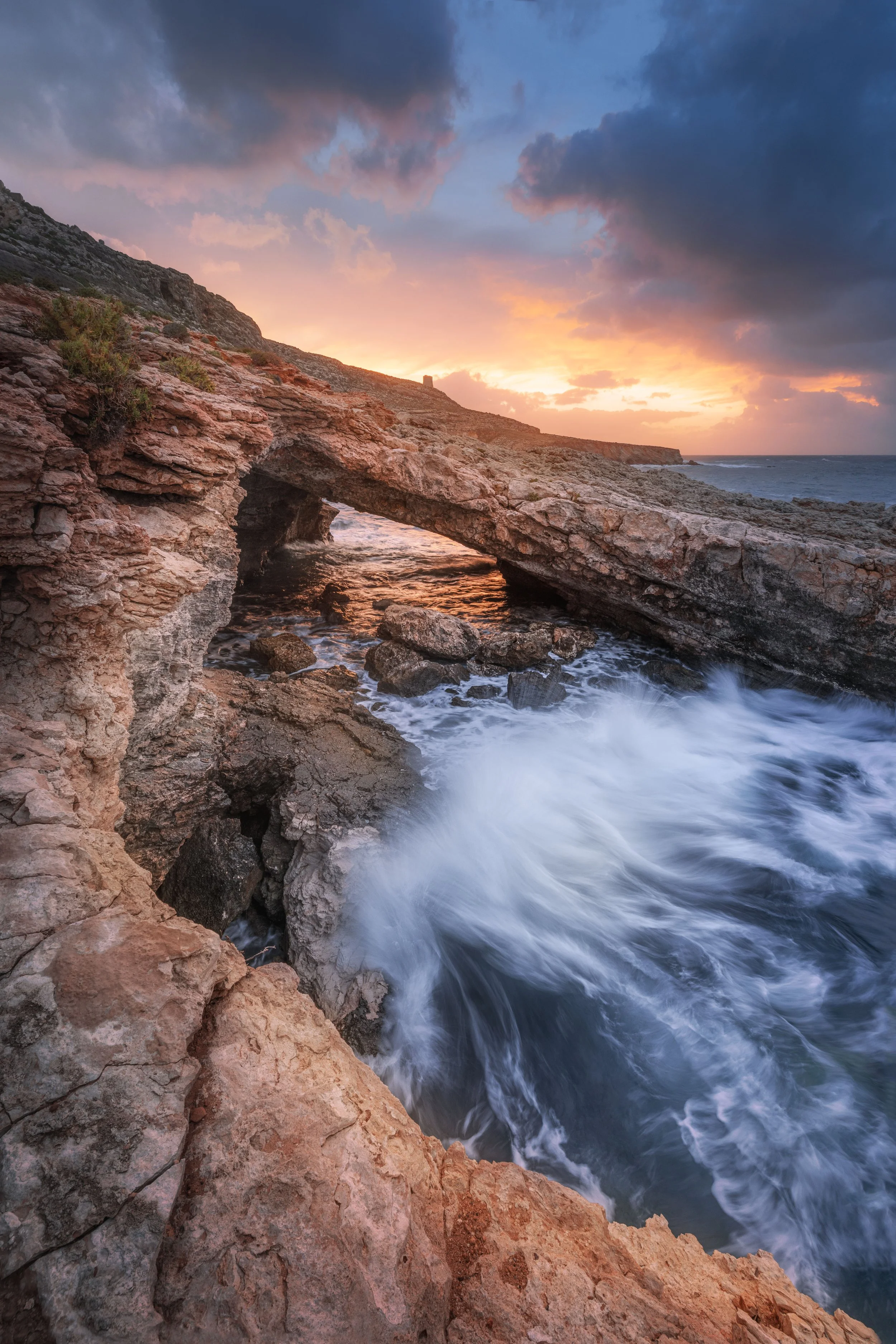
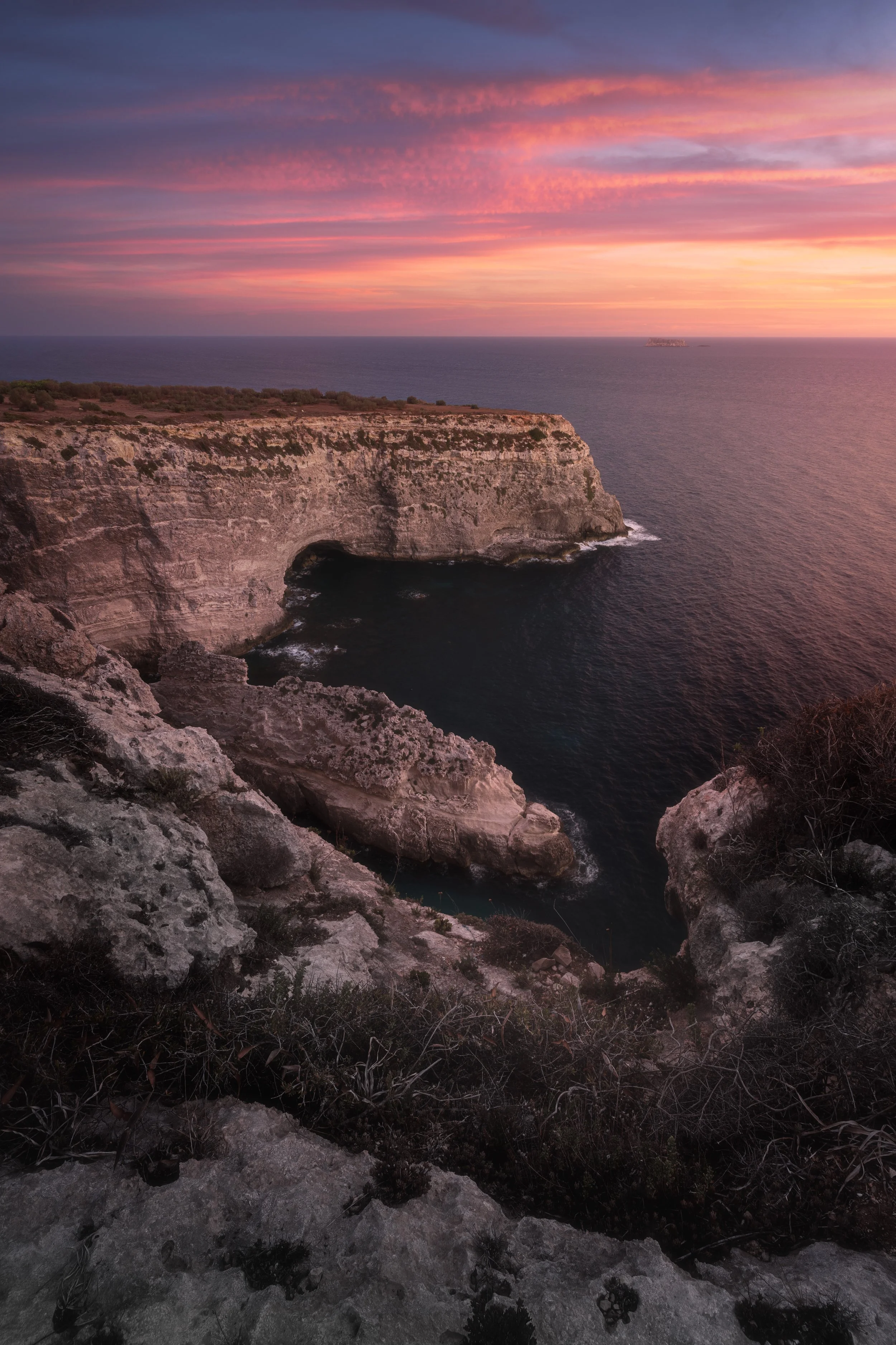
The Maltese Islands, though relatively small in size—Malta being 316 square kilometers, Gozo 67 square kilometers, and Comino only 3.5 square kilometers—offer a rich diversity of landscapes, particularly for seascape photography. The three islands, Malta, Gozo, and Comino, each present unique shooting opportunities. The terrain is predominantly rocky, with certain locations being more challenging to access than others. However, due to Malta's compact size, most shooting spots are conveniently close to one another. The islands' dramatic coastlines, rugged cliffs, and scenic vistas make them a prime destination for capturing stunning seascapes, especially during sunrise or sunset.
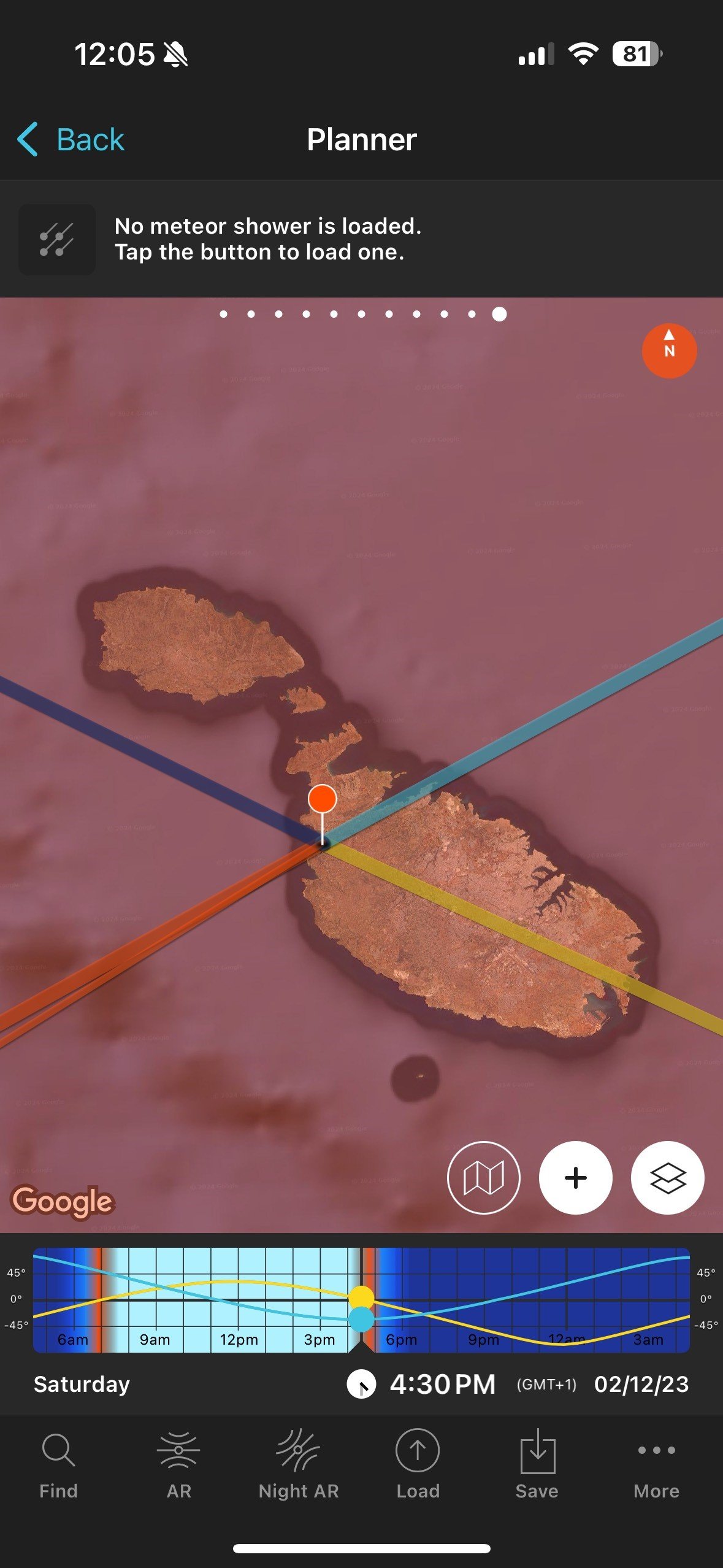
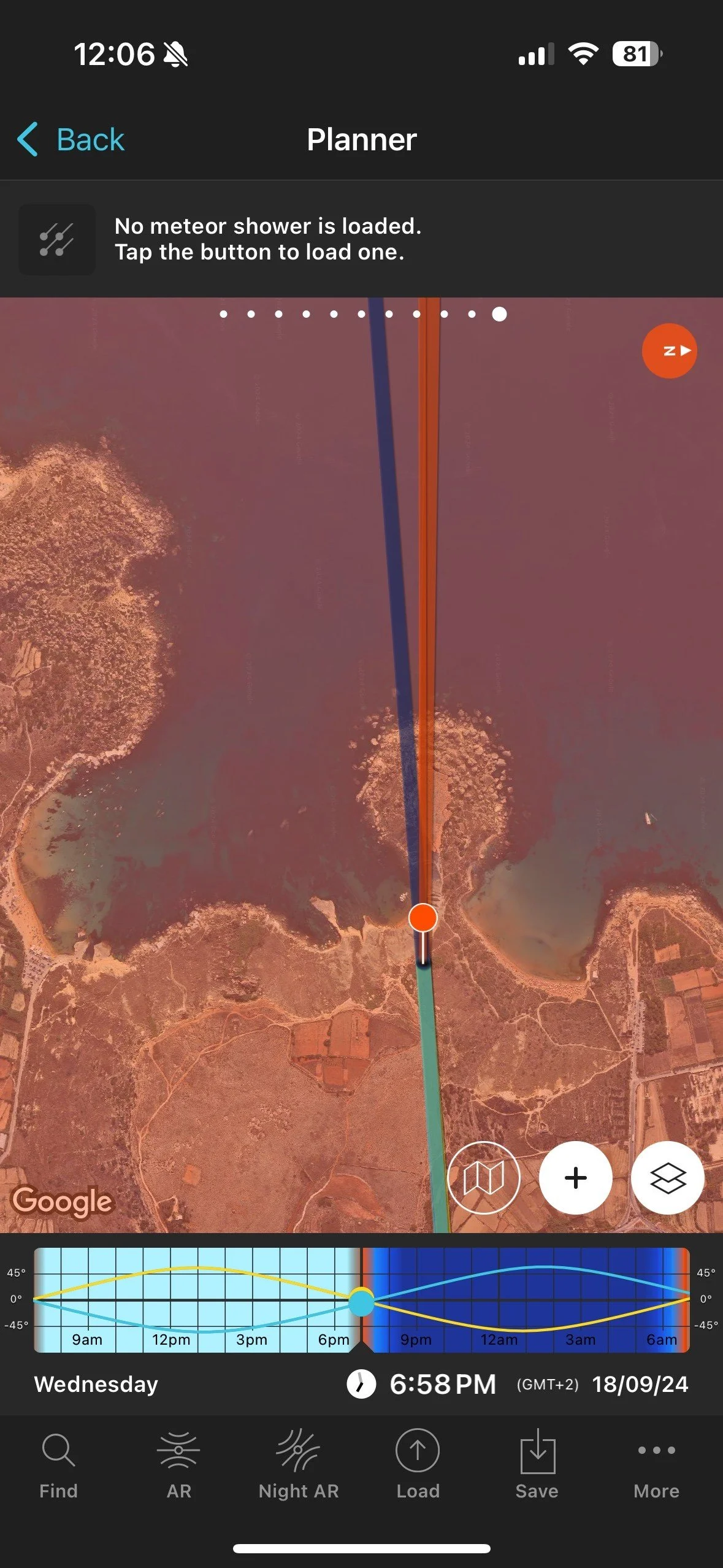
As with any location, careful planning is essential for successful landscape photography in the Maltese Islands. Tools like Google Maps can help identify shooting spots, while apps like PhotoPills assist with tracking sunlight, moon phases, and Milky Way positioning for those perfect shots. Using weather apps such as Clear Outside is crucial for forecasting optimal conditions and avoiding bad weather.
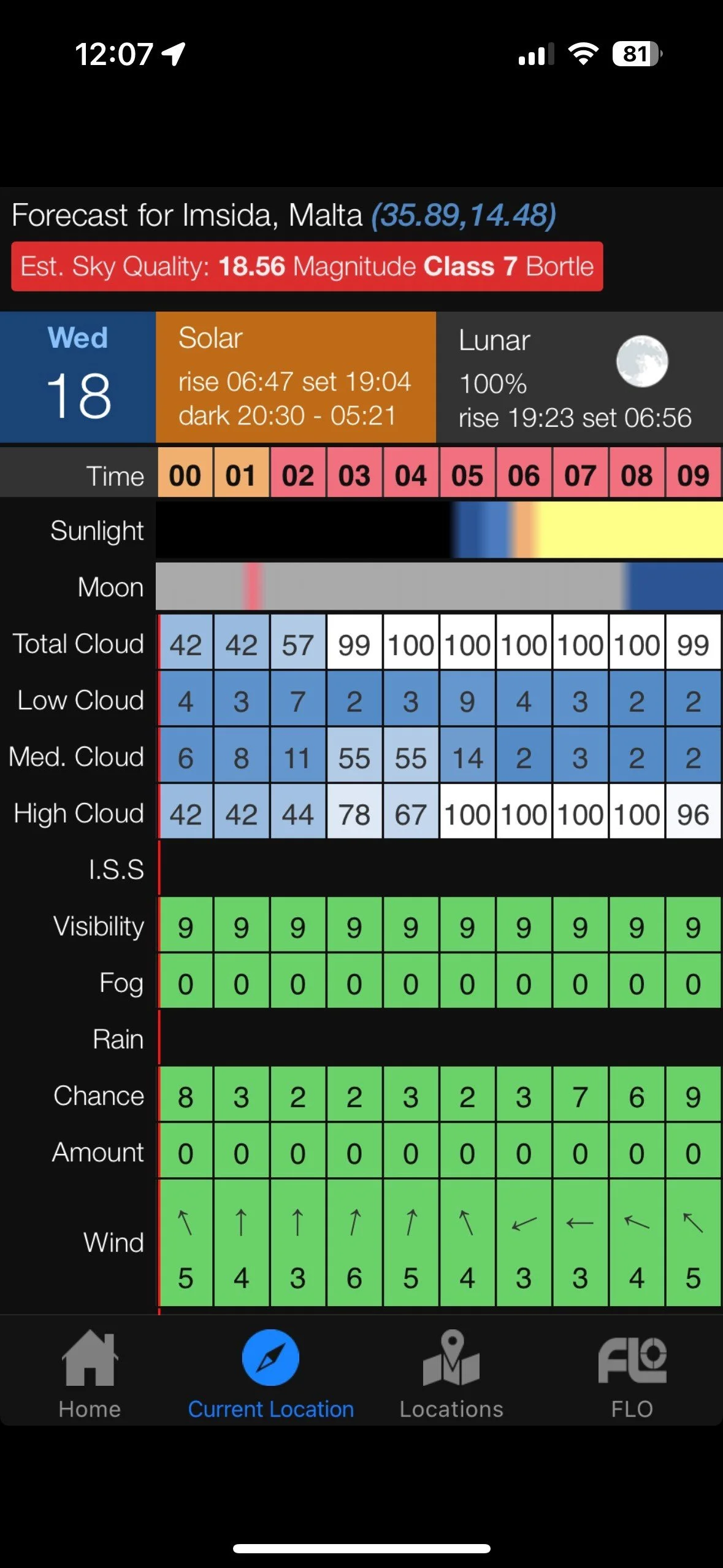
Other important factors include considering the length of the day, as this affects available shooting time, and the season, which influences the lighting and overall mood of the landscape. Winter, for instance, offers more dramatic skies, while summer brings long daylight hours and clearer skies.
Scouting locations beforehand is also key—this allows me to find new compositions and a fresh perspective of the area. It’s also important to plan for accessibility, as some areas in Malta can be rocky or difficult to reach. Lastly, having the right gear and knowing the location can make all the difference.
I’m a big advocate for arriving early when shooting landscapes, and not just for the sake of getting the right shot—it’s also about giving yourself enough time to settle in without feeling rushed. If it’s a location I know well, arriving 30 to 45 minutes before sunrise or sunset usually gives me enough time to set up, as I already have a good sense of strong compositions. But when it’s a new spot, I try to get there at least 1 hour in advance to explore the terrain and identify interesting details, potential focal points, and strong compositions.
For sunrise shoots, I highly recommend scouting the location in advance, ideally during daylight. This helps you familiarize yourself with the terrain and access points. Using apps with augmented reality features can be a game-changer—they’ll show exactly where the sun will rise, so you can visualize your shot before you even arrive.
One thing I’ve learned the hard way is the importance of not rushing. It’s tempting to try and quickly capture that perfect moment, but rushing often leads to missed details or poor composition. I’ve been guilty of this myself! Giving yourself time to slow down and fully engage with the environment usually results in better, more thoughtful images.
Another important aspect of planning is safety. Some of the best landscape locations, especially around the coastlines of Malta, can have tricky terrain—steep cliffs, slippery rocks, or uneven ground. Arriving early gives you time to assess the area and ensure you're setting up in a safe spot, avoiding any last-minute scrambles that might put you at risk.
It’s also essential to plan the more practical details, like parking and traffic. Malta can be crowded, especially near popular spots, so it’s important to factor in the time it takes to find parking and walk to your chosen location. Arriving early means you won’t be rushed, allowing you to calmly find the best spot without stressing about missing the light. In some cases, you may even need to hike to more remote locations, so it’s always smart to factor that into your timing.
Finally, keep in mind that conditions can be unpredictable. The light, weather, and cloud patterns may not go as planned, and your initial composition might not work out. Arriving ahead of time lets you observe the scene as it unfolds. You can adapt to changing conditions, like shifting clouds or unexpected light on the foreground, and make the most of the opportunities as they arise.
In the end, preparation and perseverance is key, from scouting and planning the shot to ensuring your safety and leaving enough time for setup. By avoiding the rush and being mindful of the practical and creative elements, you’ll not only capture better images but also enjoy the process more.